
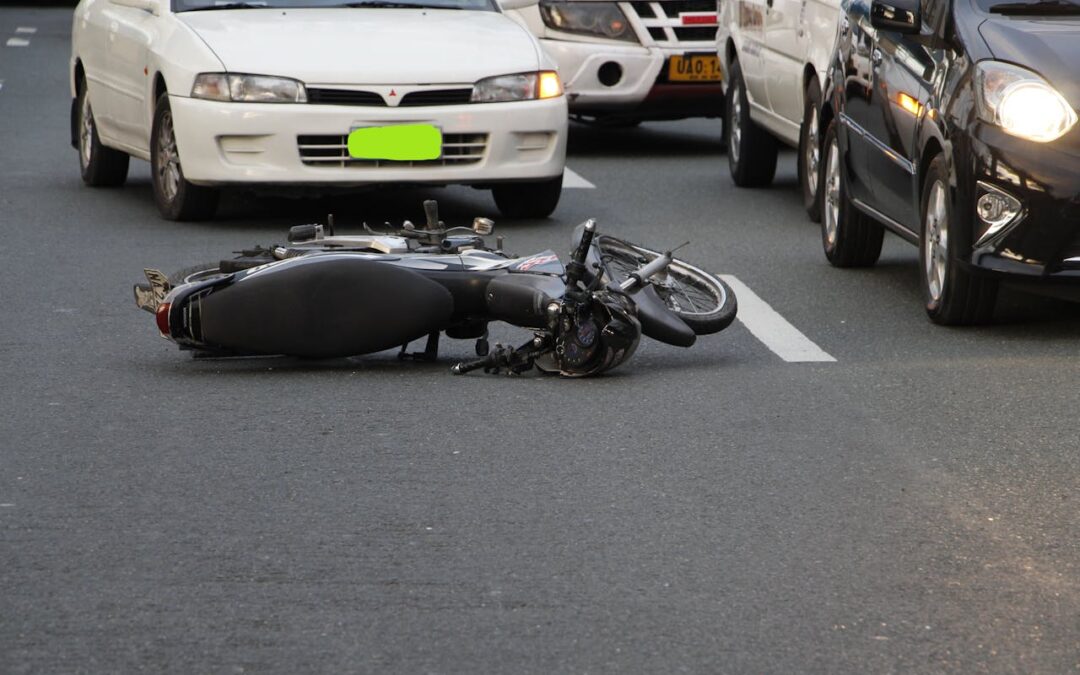
Motorcyclists share the road and must adhere to the same traffic laws as other motorists. However, due to their unique nature and vulnerability, motorcycle accidents often result in more severe consequences than standard vehicle accidents. For this reason, both riders and drivers must understand the laws and regulations governing motorcycle accidents in Florida. By staying informed, you can protect your rights, ensure the safety of yourself and others, and seek the appropriate compensation in the event of an accident.
In this comprehensive guide, we will delve into the essential aspects of Florida motorcycle accident laws, including licensing requirements, helmet regulations, insurance policies, and strategies for pursuing a personal injury claim. Our objective is to empower you with the knowledge to navigate motorcycle accident scenarios effectively. This information can equip you with the tools necessary to protect your rights and take the appropriate steps in the aftermath of a motorcycle accident.
Licensing Requirements
Before legally operating a motorcycle on public roads in Florida, you must obtain a motorcycle endorsement in addition to your state driver’s license. To obtain a motorcycle endorsement, you must complete a basic rider course approved by the Florida Department of Highway Safety and Motor Vehicles (DHSMV), pass a written and skills test, and be at least 16 years old with a valid driver’s license.
The Basic RiderCourse trains riders on motorcycle safety and equips them with the necessary skills to navigate Florida’s roads safely. After completing the course and meeting the prerequisites, you can receive your motorcycle endorsement and legally ride.
Helmet and Safety Regulations
Florida law requires motorcyclists under the age of 21 to wear a helmet that meets the Federal Motor Vehicle Safety Standards. Additionally, riders of all ages must wear eye protection, such as goggles or a face shield.
Wearing a helmet is optional for riders aged 21 and over, provided they have at least $10,000 in medical payment benefits insurance for injuries sustained in a motorcycle accident. However, even if not legally required, it’s essential to consider helmets’ safety benefits, as they can significantly reduce the risk of traumatic head injuries.
Aside from helmet and eye protection rules, Florida law also has specific regulations regarding motorcycle equipment, such as requiring a working horn, rearview mirrors, and turn signals. Furthermore, motorcyclists must ensure their headlights are on at all times while riding, regardless of the time of day.
Insurance Coverage
Florida is a no-fault state, meaning drivers must carry personal injury protection (PIP) insurance. This coverage is essential as it pays for the policyholder’s medical expenses, regardless of who is at fault in an accident. However, PIP insurance for motorcyclists differs from that of other motorists.
Florida law does not require motorcyclists to have PIP insurance; instead, they must carry a minimum of $10,000 in medical payments coverage per person and $20,000 per accident if they decide to ride without a helmet.
When considering insurance options, looking beyond the minimum requirements is advisable. For instance, investing in uninsured/underinsured motorist (UM/UIM) coverage can protect you if another party causes the accident and lacks sufficient insurance to cover your damages. Additionally, purchasing comprehensive and collision coverage can cover expenses related to your motorcycle’s damage or theft.
Personal Injury Claims
In the unfortunate event of a motorcycle accident, it’s crucial to understand your rights and the steps necessary to pursue justice and compensation. To file a personal injury claim after a motorcycle accident in Florida, you’ll need to prove that the other party was negligent and that their negligence directly resulted in your injuries.
Gathering evidence after an accident is crucial for building a strong case. Some potential sources of evidence include police reports, photographs of the scene and injuries, medical records, and witness testimonies. The more documentation and evidence you can collect, the stronger your case will be.
Seeking legal advice from an experienced personal injury attorney can be invaluable in navigating the complexities of motorcycle accident claims. An attorney can help guide you through the process, secure the evidence necessary to build a solid case and negotiate with insurance companies to obtain fair compensation.
It’s worth noting that Florida follows the comparative negligence doctrine in personal injury cases. If you were partially at fault for the accident, your compensation might be reduced by the percentage of your fault. An experienced attorney can help you navigate these complexities and develop the best possible case to maximize your recovery.
Conclusion
Understanding Florida’s motorcycle accident laws, licensing requirements, and insurance policies is crucial for motorcyclists and drivers sharing the road. Familiarizing yourself with these essential regulations can empower you to protect your rights, advocate for fair compensation if involved in a motorcycle accident, and prioritize the safety and well-being of all motorists.
If you or a loved one has been involved in a motorcycle accident in Orlando, FL, and needs legal assistance, don’t hesitate to reach out to Davison & O’Neil, PLLC, for a free consultation. Our knowledgeable and compassionate attorneys are dedicated to helping you protect your rights and secure the compensation you deserve after a motorcycle accident.